Serving All of Columbia County
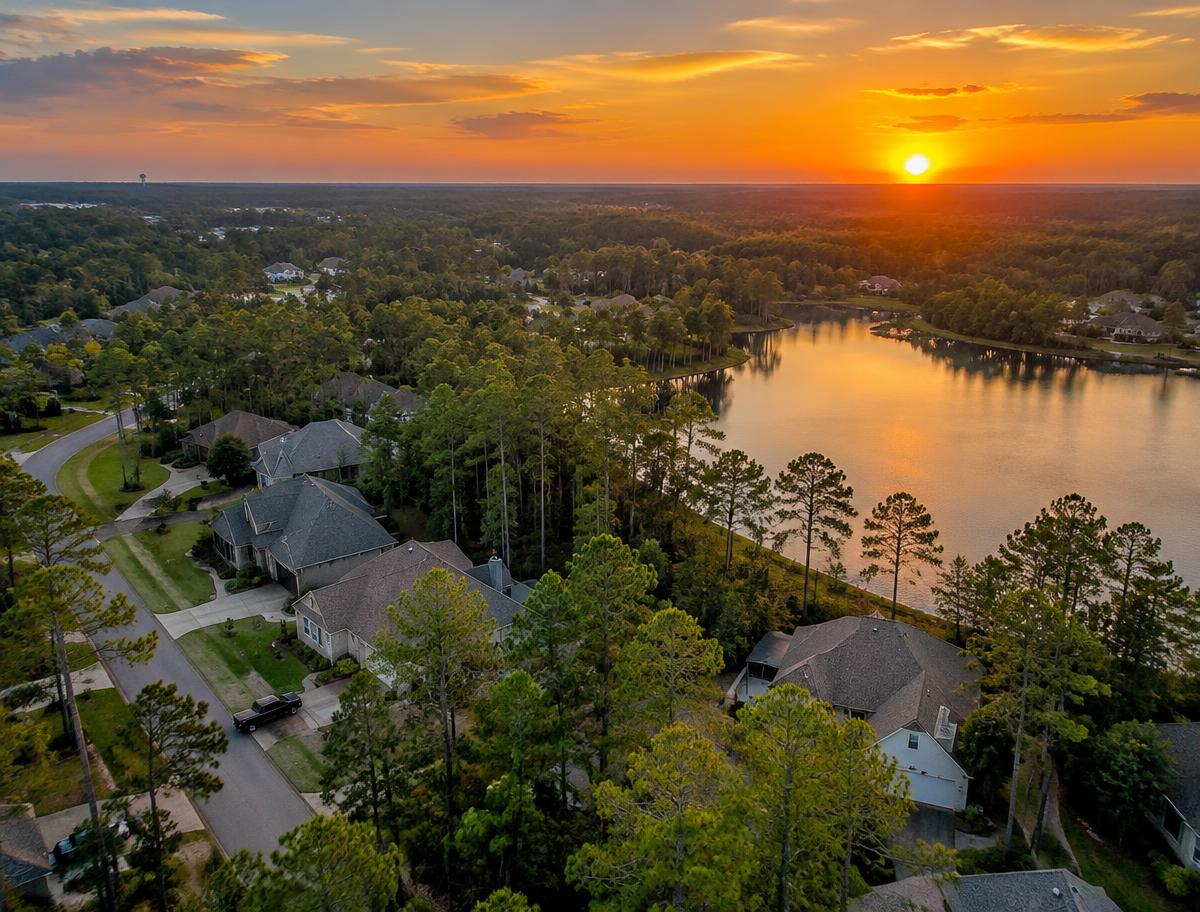
Columbia County stretches from forest country northeast of Lake City to the river landscape around Fort White in the south. Fort White is near the Santa Fe River and Ichetucknee Springs, where wooded lots and shaded roofs call for attention to drainage, valleys, and branches. Lulu, Columbia City, and Ellisville add homes on acreage, working sheds, and farm buildings to that picture. Five Points is included too; our coverage follows the county rather than stopping at Lake City's boundary.
Osceola National Forest occupies the northeastern part of the county. Houses near that forest setting can collect pine straw around roof penetrations and shaded edges. Elsewhere, a cleared pasture may expose a metal workshop to wind from several directions. We check the roof pitch, panels, and supporting wood along with the shade and wind exposure at your property.
For an address off a rural road, mention whether the driveway is narrow, gated, or difficult after rain. If the house, detached garage, and equipment shelter all need evaluation, list them separately in your request. We serve those rural properties as well as the neighborhoods near Lake City's interstate exits.
In-town roofs versus country roofs
Many Lake City subdivision homes were built with architectural or three-tab shingles, and plenty of them are now reaching the age where granules wash into the gutters and edges start to curl. On those houses the question is usually whether targeted repairs make sense or whether the money is better spent on a new roof.
Out in the county, it's a different picture. Farmhouses, mobile home roof-overs, carports, and barns are more likely to be metal, and the issues tend to be fasteners, rust at laps, and condensation under panels that were never installed with a proper underlayment or vapor barrier.
Storm season at the interstate crossroads
Columbia County caught strong winds from both Idalia in 2023 and Helene in 2024 as those storms crossed inland from the Big Bend. Beyond named storms, the afternoon thunderstorms that build every summer bring gusts, hail now and then, and lightning. Squall lines ahead of tropical systems have produced tornadoes in North Florida, and those small, intense paths can peel a roof edge that a hurricane missed.
After a storm, the most valuable thing you can have is documentation. We photograph damage from the ground and the roof, note what's storm-related versus ordinary wear, and give you a written scope. If you're dealing with a claim, that record helps you and your adjuster speak the same language.
When it's time for a new roof
Widespread shingle loss, soft spots in the decking, repeated leaks in different places, or a roof already past its expected life are all signs that patching is just delaying the inevitable. Our roof replacement process starts with a full tear-off so the decking can be inspected, and rotted boards are replaced before anything new goes on.
Lake City homeowners who plan to stay put for a long time often weigh metal roofing against another round of shingles. Metal costs more up front but sheds rain, reflects summer heat, and holds up well against wind when it's fastened to the code-required pattern.
Permits, code, and paperwork
Every re-roof needs a permit through the county or city building department, depending on whether your property is inside Lake City limits. The Florida Building Code sets the wind-resistance standards for underlayment, fastening, and drip edge, and we build to those requirements and schedule the inspections.
Barns, shops, and outbuildings
Columbia County acreage often needs more than a house roof. If you're planning an equipment shelter or a workshop, our pole barn builds use post-frame construction with metal roofing done right the first time.
Ready to have someone look at it? Start your quote and Jay's team will reach out to schedule a visit.